
Types of Pumps for Your Lift Stations
Lift stations are critical for moving wastewater when gravity cannot. And within this system, pumps are the most crucial part. Choosing the correct pump helps prevent backups, unplanned downtime, and costly repairs. This article will break down the most common types of lift station pumps and their typical applications.
 Lift Stations and Pump Function
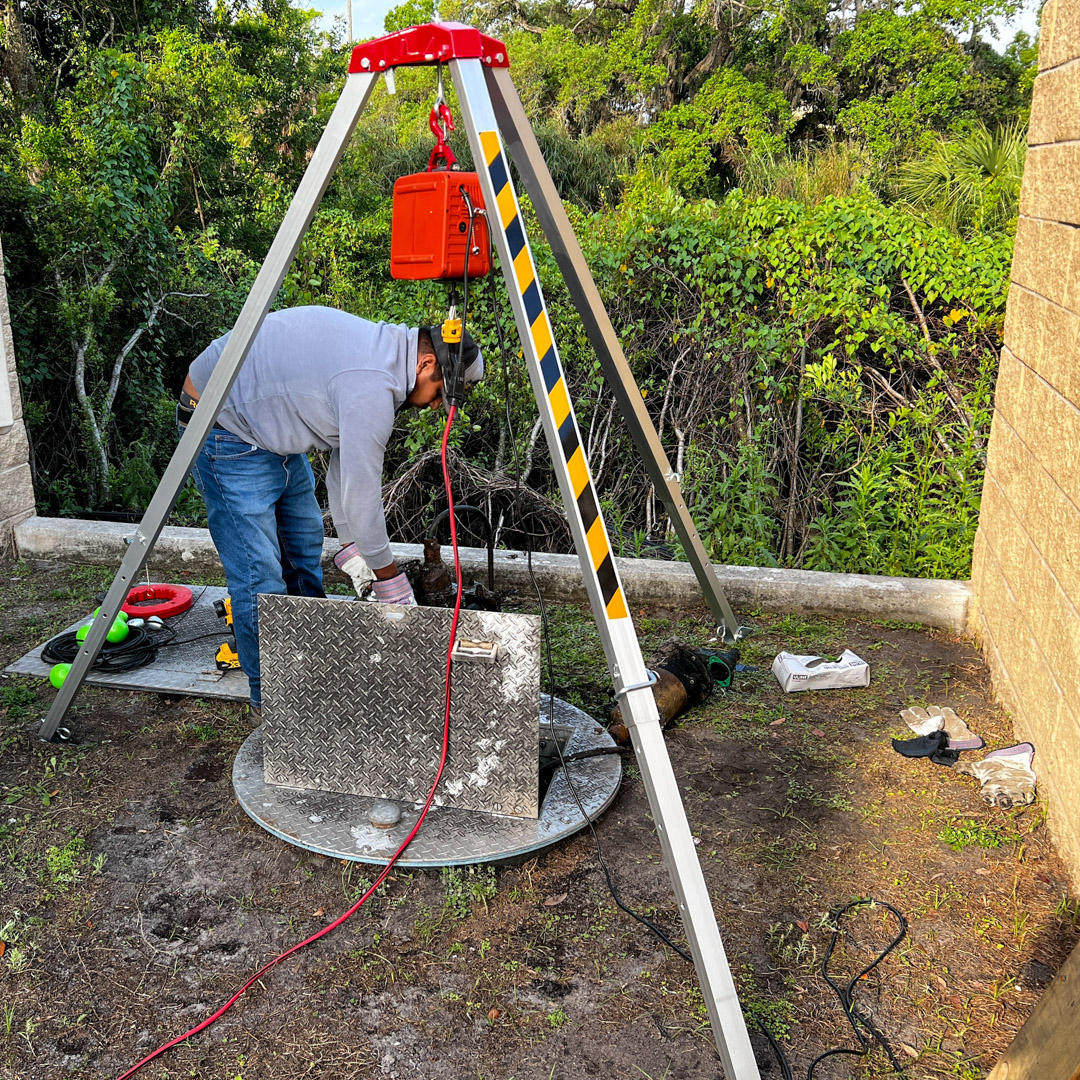
Lift stations collect wastewater in a wet well until preset levels trigger pump operation. Pumps then move wastewater to a higher elevation or downstream sewer system. Pump design accounts for solid content, flow rate, and head pressure. Different operating conditions require different pump technologies.
Types of Pumps
In lift stations, different pumps serve different functions. Below are the most common types. Understanding pump differences supports better system performance and maintenance planning.
Submersible Pumps
These pumps are installed directly within the wet well. They are designed for continuous, submerged operation and are commonly used across municipal, commercial, and residential systems. There are some substantial advantages to them, such as compact footprint, efficient heat dissipation, and reduced noise. But there are some considerations around removal being required for servicing, and systems to follow to improve maintenance efficiency.
Grinder Pumps
Utilizing cutting mechanisms, grinder pumps reduce solids to fine slurry. They allow transport through smaller-diameter pipes in pressurized piping systems, so they could be helpful in some specific applications. Otherwise, they are common for residential or low-pressure sewer applications and are best suited for controlled waste streams. But they do come with higher energy consumption and increased mechanical complexity.
Chopper Pumps
These pumps feature cutting elements that reduce large solids without full grinding. They are designed for higher solids handling than submersible pumps. As a result, they’re typically found in municipal and industrial lift stations. They provide a balance between solids management and hydraulic efficiency, effective where debris and non-flushable materials are present.
Dry Pit Pumps
In contrast, dry pit pumps are not submerged in wastewater. They are installed in a separate, dry chamber next to the wet well. Some benefits include improved accessibility for inspection and repair, as well as reduced exposure during maintenance. But they do come at an increased installation cost and larger space requirement. Because of this, they’re usually used in larger lift station designs.
Key Considerations When Selecting a Pump
There are quite a few options based on several factors. Some of the common ones lift station experts would look for are:
- Anticipated flow and head requirements
- Solids size and composition
- Access for maintenance
- Lifecycle costs
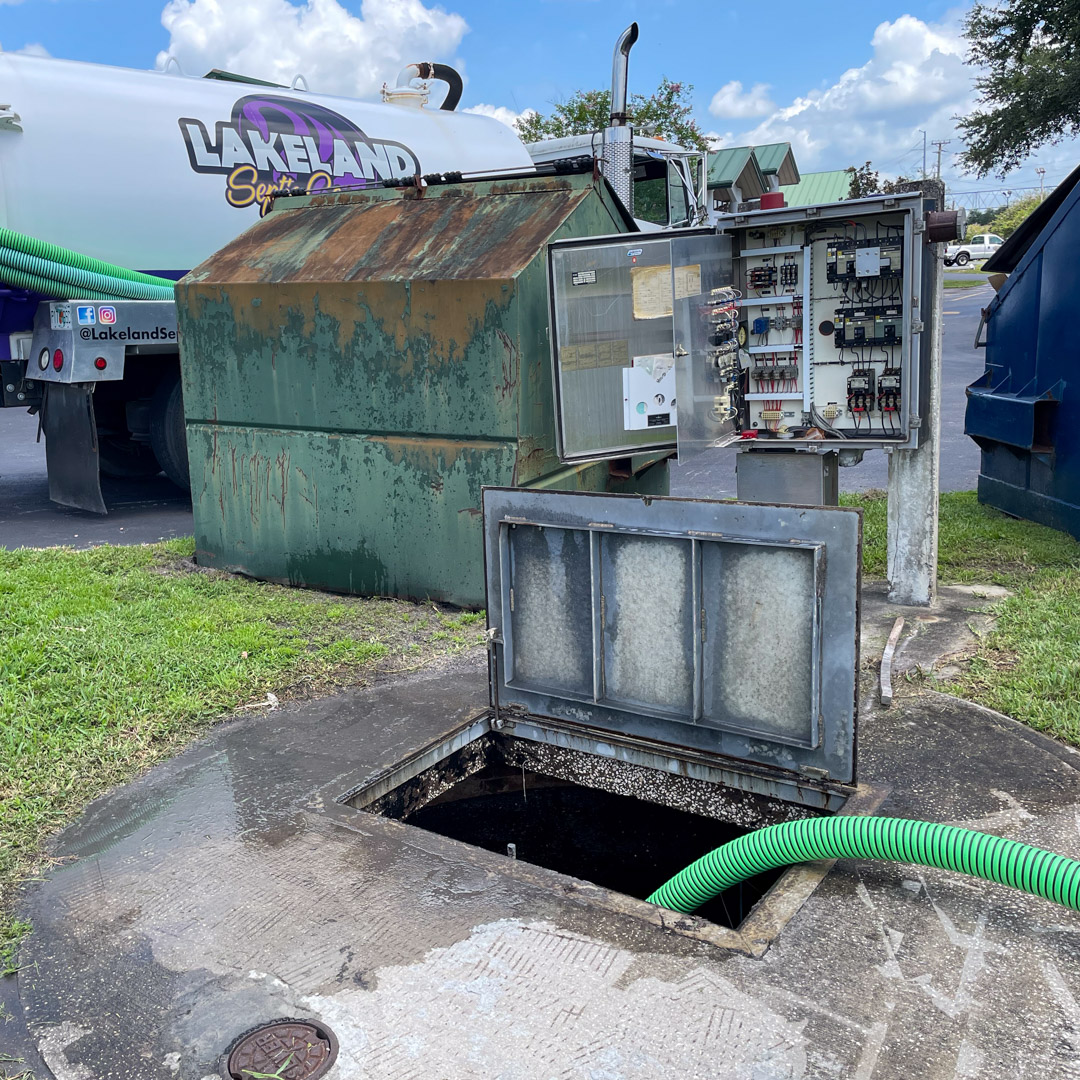
Proper selection extends longevity and reduces service interruptions, which can be especially important in larger lift stations.
Call Lakeland Septic Company for Assistance
If you need septic repair services or assistance with pump selection, don’t hesitate to contact the professionals. No single pump is ideal for every lift station, and the pros can easily help determine the correct one. Informed selection helps ensure long-term reliability. Call Lakeland Septic Company to get started today.