
Septic System 101
If you live in Haines City or Polk County and have a septic system, you may not be fully aware of how it operates. A basic understanding can help you avoid problems such as a sewage backup or a tank leak. While a typical septic tank can last 20 to 30 years, various factors can necessitate replacement much sooner. In this introductory Septic System 101 course, we aim to educate homeowners on how to properly maintain their systems, reduce repairs, and extend their lifespan.
What Is A Septic System
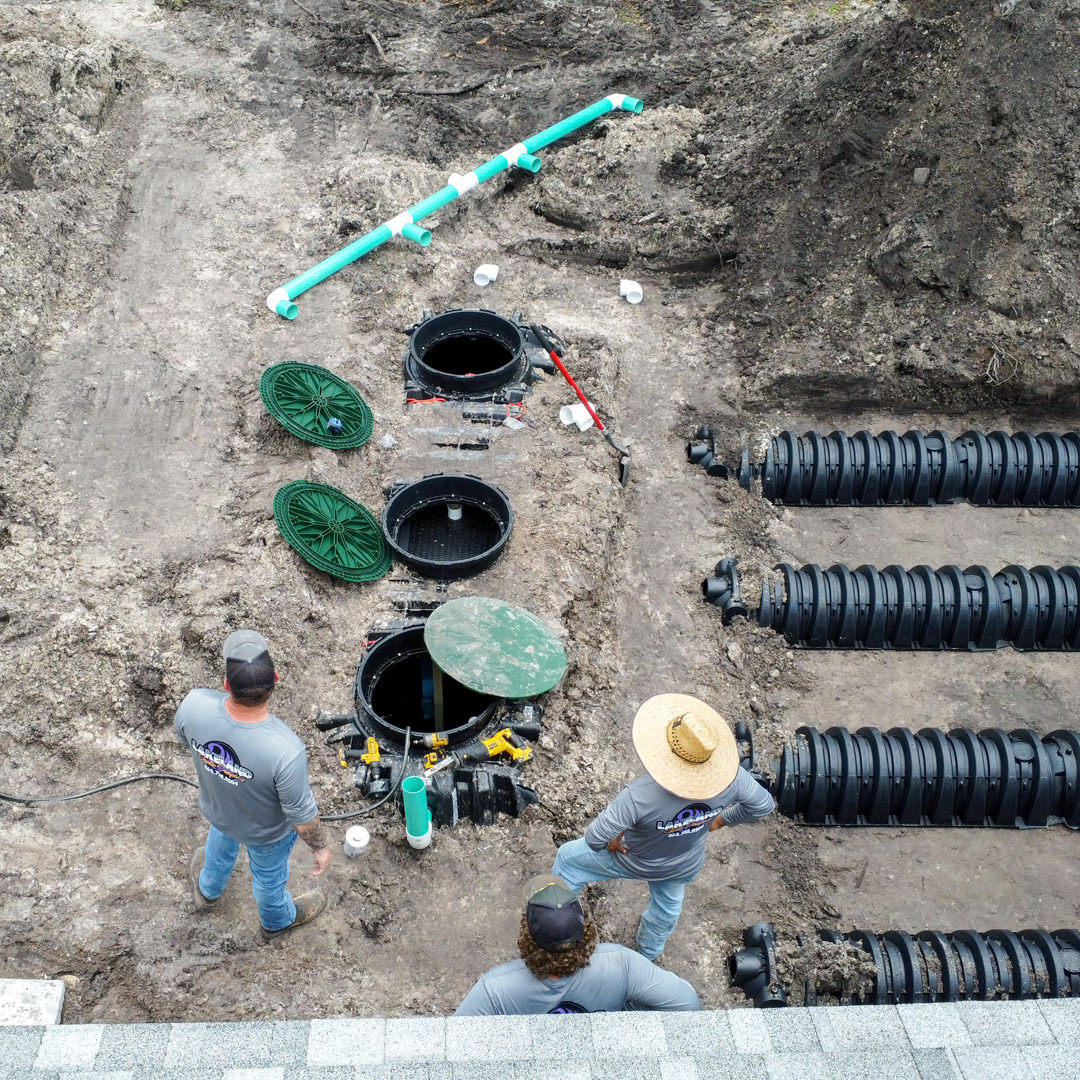
A septic system is an on-site wastewater treatment and disposal system commonly used in rural areas that are not connected to a centralized municipal sewer line.
There are two main components installed on your property: the tank itself and a drain field (or leach field).
How Does a Septic System Work
The process is pretty simple, and gravity does most of the work in getting your household wastewater into the tank for treatment and disposal. Here’s how it works:
- Collection: All water from your home (kitchen, toilets, sinks, etc.) flows through a single pipe and empties into the septic tank.
- Layers: Inside the tank, three layers form: scum (top layer), effluent (middle layer), sludge and gases (bottom layer). Natural bacteria (from human waste) break down some of the solids into sludge.
- Discharge: The liquid effluent in the middle layer flows out of the tank through an outlet pipe and into the drain field, typically passing through a filter to catch any remaining large solids.
- Wastewater Treatment: The effluent flows through the perforated pipes in the drain field. The surrounding gravel and soil absorb the water, completing the final treatment process before it enters the groundwater.
Troubleshooting Common Problems
- Slow Flushing: Is an early sign of clogging, potentially in the pipe leading to the tank or the outlet pipe. You must STOP using water immediately. Please do not use chemical drain cleaners, as they can kill the beneficial bacteria in your tank.
- Raw Sewage Odors: It could be due to a blocked vent pipe or a dried-out P-trap. A drain field blockage, or a full/failing septic tank, is another possible cause. Since this could indicate a potentially serious issue, contact Lakeland Septic Company to schedule a service call as soon as possible.
- Bright Green, Spongy Grass Over the Drain Field: The soil is oversaturated with effluent that is surfacing. It is a significant sign that your drain (leach) field is failing. Limit water use and call a septic system professional immediately.
- Sewage Backup in Toilets/Bathtubs: The septic tank is completely full, or the pipe leading to the tank is severely clogged. This is an emergency. Call a professional immediately!
When to Call a Professional
Since septic systems store and treat solid waste, they require periodic maintenance. Call a septic professional for:
- Routine Pumping: Schedule pumping every 3 to 5 years (depending on household size and tank capacity) to remove the sludge and scum before they reach the outlet and damage the drain field. Otherwise, it could cause a sewage backup and costly repairs.
- Plumbing Problems: Especially a sewage backup or surfacing liquid in the yard.
- Septic Tank Inspection: If you are buying or selling a home, a professional inspection is essential to determine the system’s remaining useful life and if any repairs are necessary.
- System Alert Light or Alarm: If your aerobic or mound system has a light or alarm that keeps going off.
How to Prevent Septic System Failures
Proper maintenance extends your system’s life and saves you thousands in repairs.
- DO NOT Flush: Cat litter, paper towels, diapers, feminine hygiene products, “flushable” wipes (they are not!), cotton swabs, cigarette butts.
- DO NOT Pour: Oil, grease, cooking fat, harsh chemicals (paint thinner, excessive bleach/drain cleaners), or coffee grounds down the drain. Grease and non-biodegradable materials are the number one killers of septic systems.
- Practice Water Conservation: Excessive water use floods the tank and the drain field, preventing solids from settling properly.
- Protect Your Drain Field: Don’t park or drive vehicles over it (this damages the pipes and soil).
- Don’t plant trees, shrubs, or other deep-rooted plants near the drain field (their roots can clog the pipes).
– Only plant grass over the area.
– Don’t build sheds, patios, or pools over the system.
Test Your Knowledge:
Answer the following five questions to test your knowledge of this basic Septic System 101 mini-course:
- What is the primary function of the septic tank?
- If you notice bright green, spongy grass in your yard above your drainfield, what is the most likely cause?
- How often should a typical septic tank be professionally pumped?
- Name two things you should never flush down a toilet in a home with a septic system.
- Why is it important not to drive or park vehicles over the drainfield?
 Answer Key:
- To separate solids from liquids and allow natural bacteria to break down some of the waste material.
- The drainfield is failing, and effluent is surfacing due to oversaturation or a blockage.
- Every 3 to 5 years.
- Any two of: “Flushable” wipes, cooking grease/oil, diapers, paper towels, cat litter.
- Heavy weight can crush the pipes and compact the soil, leading to drainfield failure.
Septic System Maintenance & Repairs Near Me
Are you experiencing trouble with your septic system? If you reside in Polk or Hillsborough counties, Lakeland Septic Company is ready to respond quickly with septic tank service and repairs. We also provide routine maintenance, including inspections and cleaning, to minimize repairs and prevent premature failure. Contact us today to schedule service with a residential or commercial septic system professional.