
How Droughts Affect Your Septic System in Florida
Florida is known for its sunny summers and heavy rain, but dry spells and droughts are common as well. Many homeowners assume septic problems only happen during wet conditions, but that’s not true. In reality, drought conditions can also impact septic system performance. If you’ve experienced issues with your septic system, we’ll take a closer look at how dry weather affects your system, what homeowners should look for, and what they can do.
 How a Septic System Relies on Moisture
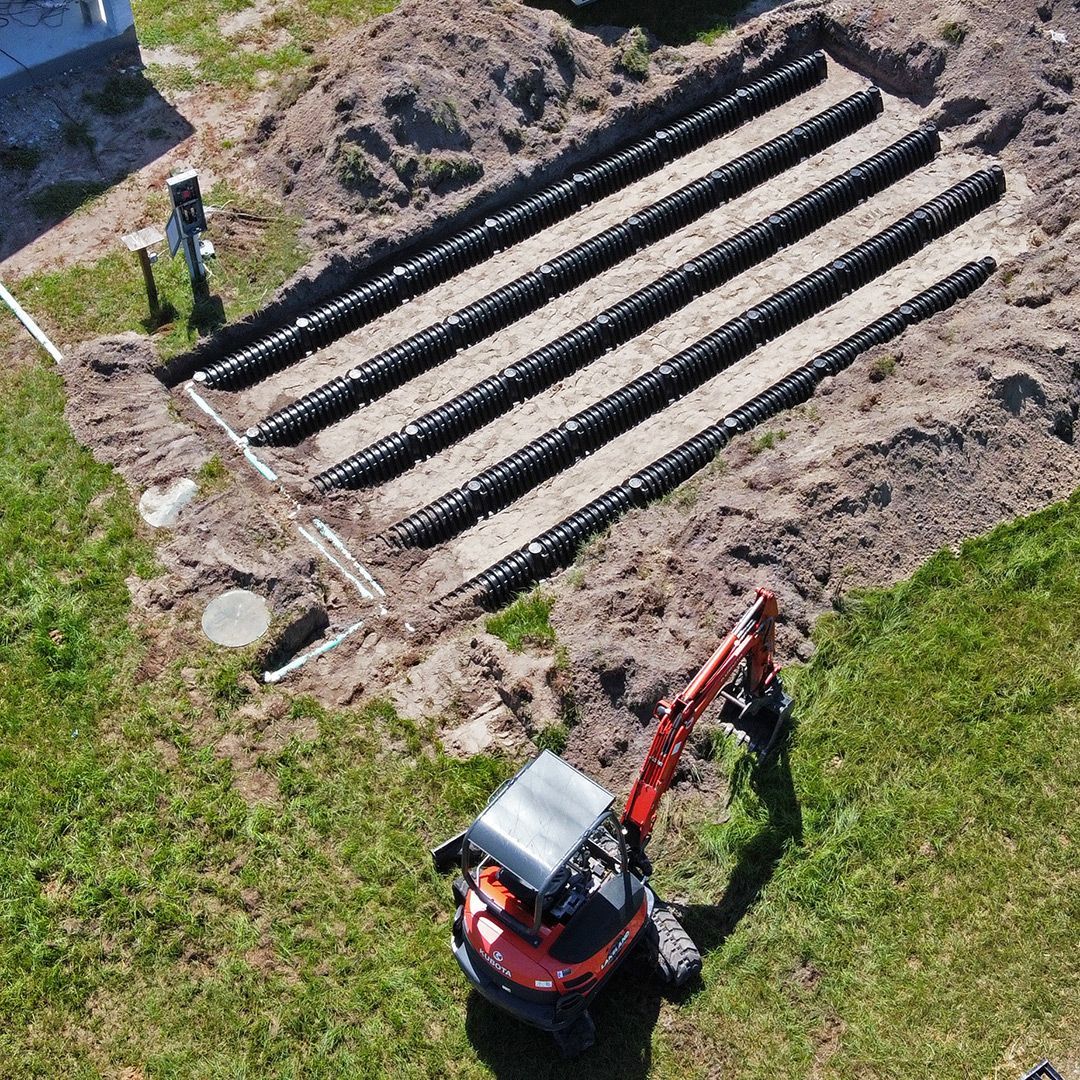
Your septic system doesn’t just rely on the tank; it also depends on the surrounding soil and moisture levels. Septic systems follow a simple process. First, wastewater flows into the tank. After this, solids settle while liquids flow into the drain field. Drain field soil filters and disperses water. But soil moisture is essential for proper absorption and necessary bacterial activity. So when there is a drought, the soil becomes dry, compacted, and much less effective. Ultimately, this can slow down wastewater absorption and disrupt the overall system balance.
What Happens to Your Septic System During a Drought
Three main things happen during a drought: soil becomes dry and compacted, bacterial activity declines, and drain field stress increases. Let’s take a closer look at each of these.
- When soil dries, it shrinks and hardens. Even though it needs water, these conditions provide less ability to absorb wastewater. This also means there is increased strain on the drain field.
- Bacterial activity requires moisture to be beneficial. And bacteria play a key role in breaking down waste. So when there is a drought, this slows the breakdown, leading to a buildup in the tank.
- Finally, when there is a drain field stress, wastewater may not disperse properly. This can lead to pooling or backups occurring. The longer the drought, the greater the long-term stress on the system components.
Warning Signs of Drought-Related Septic Issues
If you notice slow-draining sinks, tubs, or toilets, that’s a key sign you may be experiencing septic issues. In addition, you may hear gurgling plumbing sounds or sewage odors indoors or outdoors. In your drain field, you may notice dry, crusty soil with unpleasant odors or even wastewater surfacing in the yard. These signs can appear gradually during dry periods and may require more frequent plumbing services.
 Ways To Protect Septic Systems During a Drought
There are a few simple ways homeowners can help protect their septic systems during drought conditions. The most important tip is to spread out water use throughout the day rather than running multiple appliances at once. You should also avoid driving or parking on the drain field, as dry soil is more prone to compaction. Maintaining grass over the drain field can also help retain moisture and support proper absorption.
Septic Trouble? Call Lakeland Septic
Lakeland Septic can help ensure your system stays in good working condition, no matter the weather. Contact Lakeland Septic today to schedule an inspection or maintenance service.