A Septic Inspection for the New Year
Has it been more than a year since your last septic inspection? If so, it would be a good idea to kick off the new year by having your system looked at by a qualified septic professional.
A basic septic inspection covers a system’s parts and structural components to ensure everything looks and runs as it’s supposed to, while an emergency inspection zeros in on a specific reported problem.
Lakeland Septic Company of Lakeland, FL, would like to share a few key elements of basic and emergency septic system inspections.
 Basic Septic Inspection Tasks
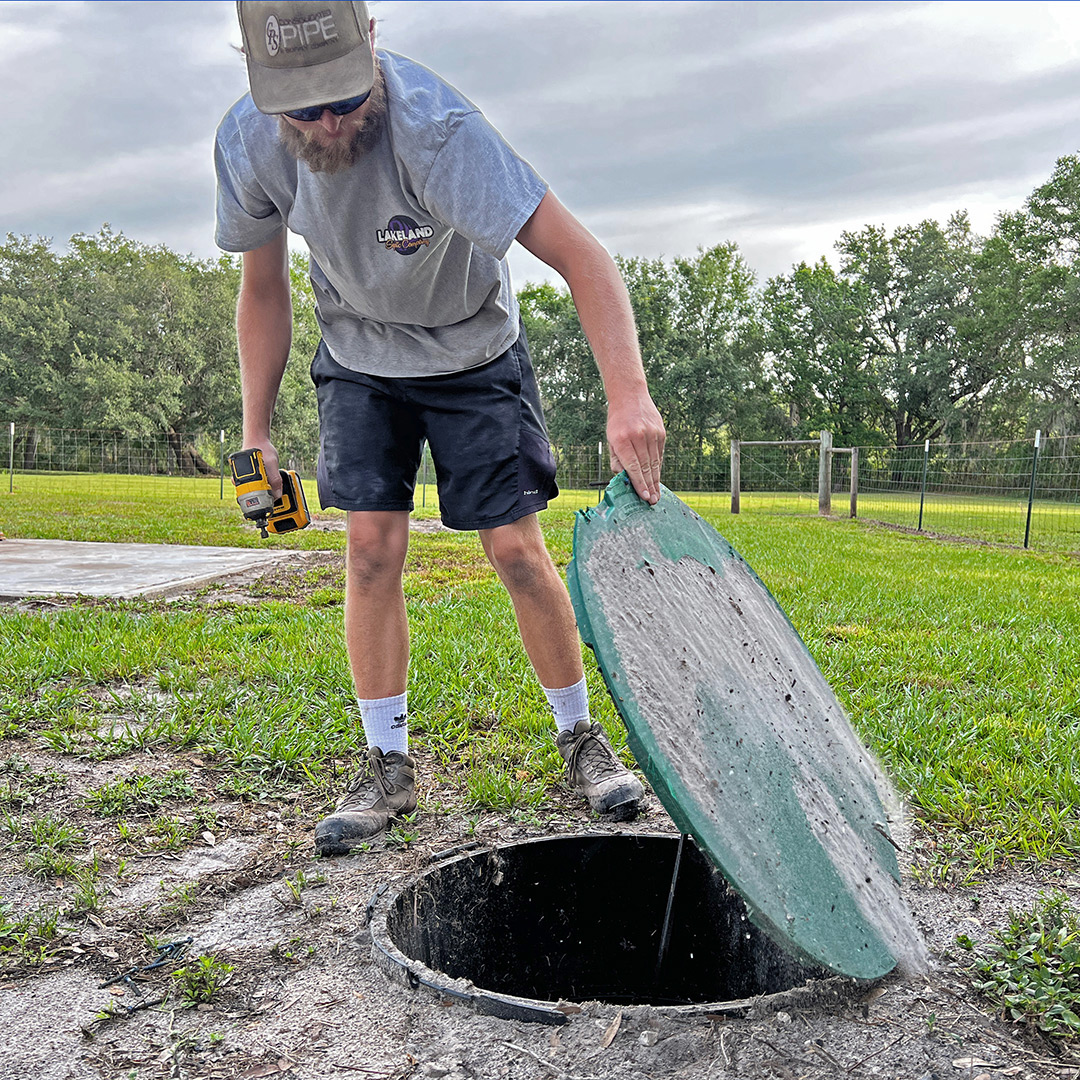
While you, as a homeowner, can watch for signs of septic problems, you probably don’t have the tools or training to inspect the system and diagnose the causes of various types of damage and malfunctions.
Should issues be discovered during the inspection, your septic technician can make the necessary repairs or parts replacements at the time of the inspection or soon after.
A basic annual safety inspection addresses the following.
- Leaks in any part of the system
- Damage to the septic tank structure
- Soil compaction or other damage to the drain field
- How well your system processes wastewater
- Electrical lift station components
- Quality and sufficiency of the bacteria in the septic tank
- Invasion of tree roots and problems with the adjacent soil
By scheduling annual septic inspections, you’ll dramatically reduce the chance that you’ll have to deal with an emergency situation.
Emergency Septic Inspections
With a basic inspection once a year and proper use of your septic system, you won’t have to call your septic provider for emergency service very often. But unexpected things can happen, and when they do, they need to be addressed quickly. All septic system damage repair should begin with an inspection.
Common reasons for an emergency septic inspection include:
- Raw sewage backing up into the home’s drains
- Toilets overflowing or flushing slowly
- The smell of sewage inside or outside the house
- Lift station alarm going off
- Damp patches of ground above or near the septic system
While a modern septic system contains many parts and components, problems typically gravitate around just a few issues:
- System blockages
- An overfull tank
- Drain field soil compaction
Preventing Problems in your Septic System
Here’s a checklist of things to avoid that will help your septic system run better and need fewer repairs and service calls.
1. Don’t put anything in the toilet except toilet paper
2. Avoid pouring grease, fats, or oils into sinks
3. Don’t pour antibacterial cleaners into drains – these can disrupt the bacteria in the septic tank
4. Never drive or park vehicles over the drain field
5. Don’t plant vegetation with aggressive roots near any part of the septic system
 Septic Inspections, Pumping, and Repair Service in Lakeland, FL
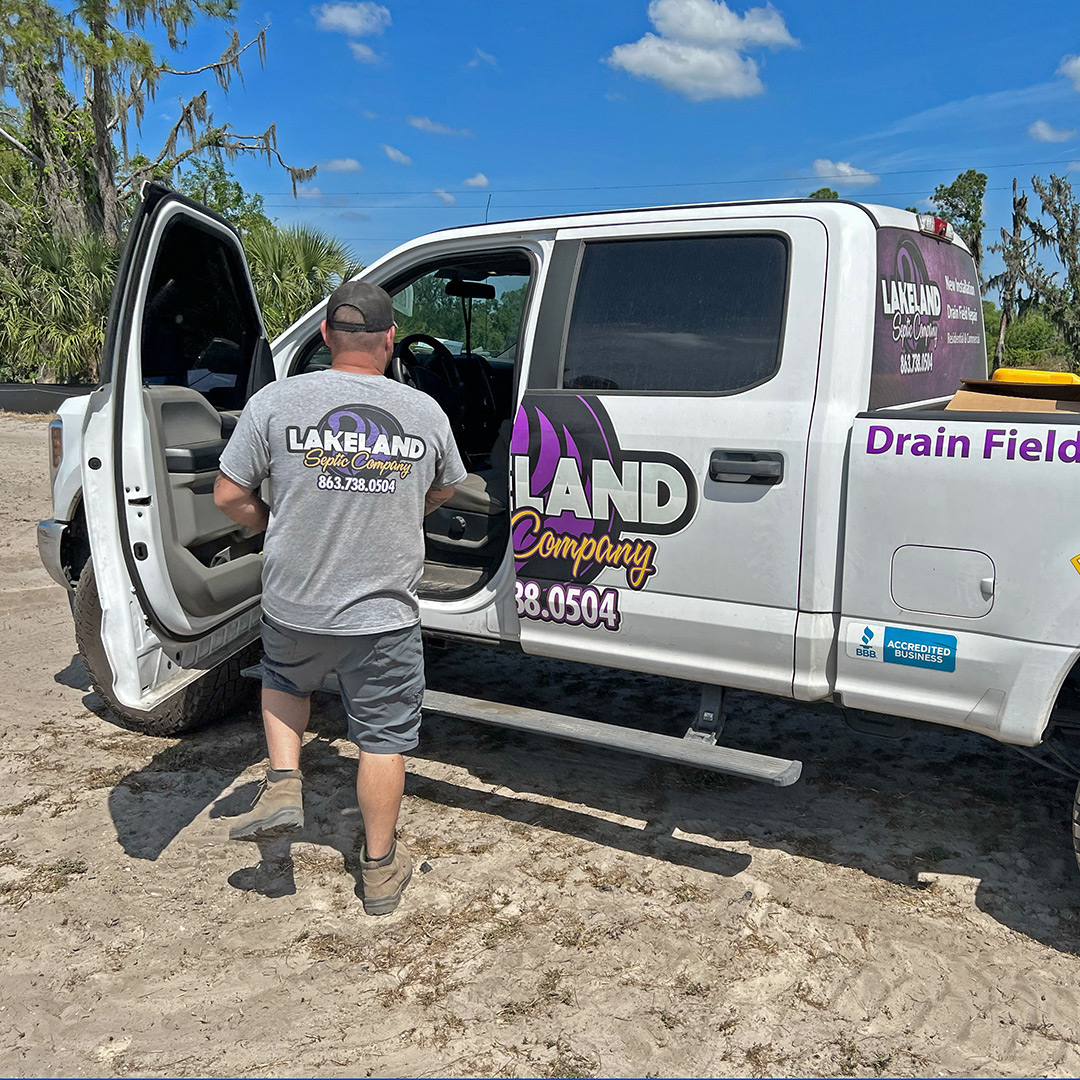
Lakeland Septic provides licensed septic inspections, septic tank pumping, all types of repair work, and the installation of new septic systems.
If it’s been more than a year since your last inspection, we’re standing by to help you start the new year right by making sure your system is operating safely and efficiently.
Reach us by phone or through our contact form.