NEVER Flush List for 2026
If you’re like many homeowners in rural communities that rely on septic systems, you know how essential routine maintenance is for effective wastewater management. Since everything you flush down the toilet ends up in the septic tank, knowing what you can and cannot dispose of can help prevent an annoying, inconvenient sewage backup. Unlike city sewers, a septic system is a delicate living ecosystem. To keep your system healthy, here is our top 10 never-flush list for 2026:
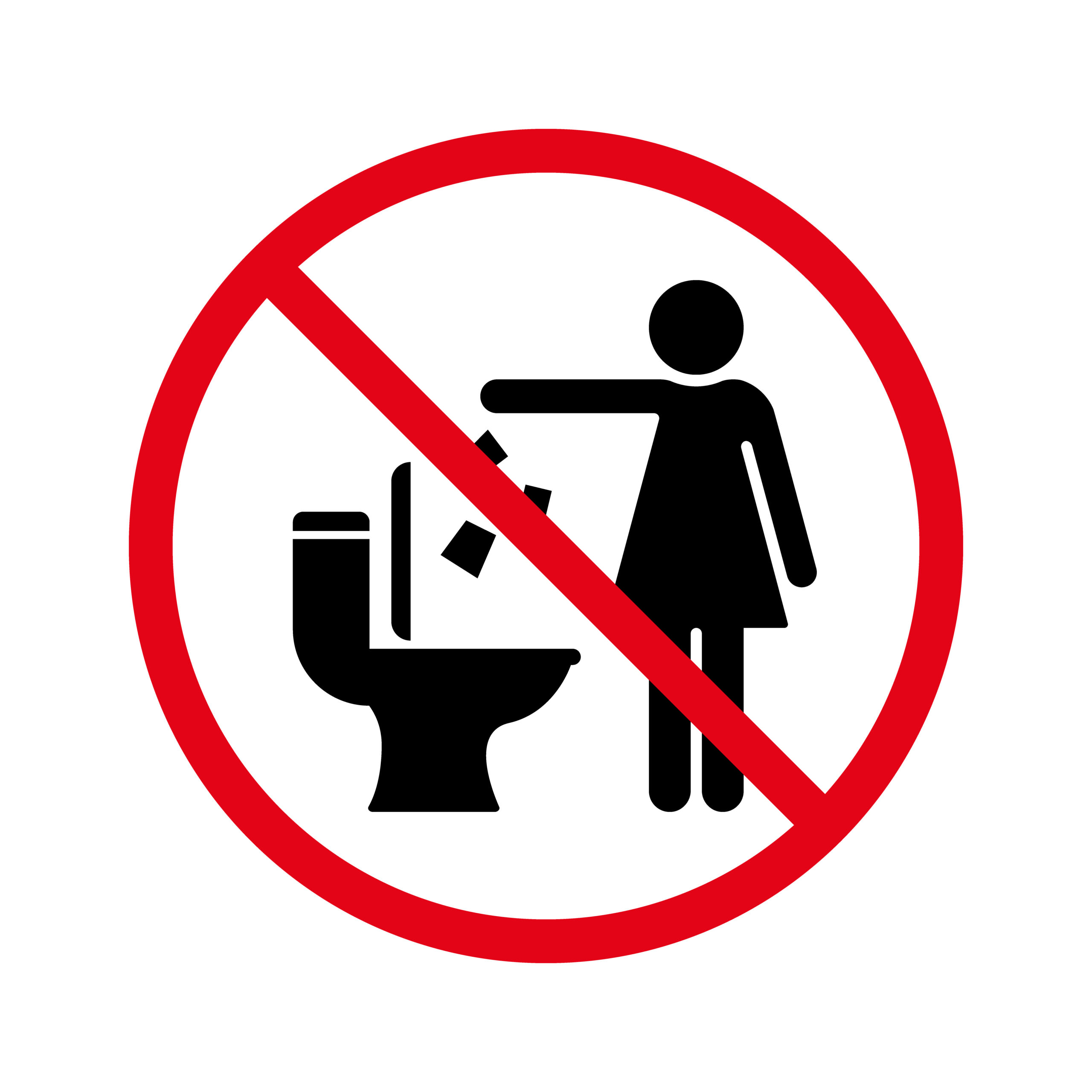
1. Flushable wipes:
Despite the labeling, these do not break down like toilet paper. These wipes create “fatbergs” that can clog your inlet baffle in a matter of days.
2. Medication:
Your septic tank relies on healthy bacteria to break down waste. Flushing antibiotics or other medications can kill these “good” bacteria, halting treatment and contaminating local groundwater.
3. Napkins/Paper Towels:
These materials are absorbent and durable when wet—the exact opposite of what you want in a septic tank. They fill up the “sludge” layer of your tank prematurely.
4. Dental Floss:
Floss is non-biodegradable and incredibly strong. It can wrap around moving parts in aerated systems or bind other debris together into a massive, unbreakable clog.
5. Diapers and Feminine Hygiene Products:
These items expand when they absorb liquid. They will quickly clog your pipes and occupy a large portion of your tank.
6. Coffee Grounds:
Coffee grounds don’t float, and they don’t decompose easily. They settle at the bottom of the tank, contributing significantly to the buildup that requires more frequent pumping.
7. Cigarettes:
Cigarettes are packed with chemicals and plastic filters that never break down. These toxins can leach into your drain field and eventually into the soil and groundwater.
8. Hair:
Whether it’s from a hairbrush or grooming a pet, hair is a nightmare for septic systems. It forms nets that trap other solids, leading to stubborn blockages.
9. Oil/Grease:
Fats, Oils, and Grease (FOG) should never go down the toilet. They solidify as they cool, coating your pipes and creating a waterproof seal in your drain field that prevents soil absorption.
10. Hazardous Chemicals:
NEVER flush paints, thinners, or heavy-duty cleaners down the toilet. These contaminants destroy the biological components of your system, resulting in costly environmental remediation.
Signs Your Septic System Needs Maintenance
Even if you are careful, systems eventually need professional attention. According to experts at Penn State Extension, you should watch for these “red flags” that indicate your system is struggling:
- Unpleasant Odors: Persistent sewage smells around the tank or drain field are a clear sign of a failing septic system.
- Slow Drains: If multiple sinks or toilets are draining slowly despite using a plunger, the blockage is likely in the main line or the tank.
- Plumbing Noises: Bubbling or gurgling noises in the plumbing often indicate that the tank is full or that the pipes are venting improperly.
- Bright Green Grass: If the grass over your drain field is significantly greener or taller than the rest of the yard, it may indicate a leak or an overflowing tank.
- Standing Water: Pooling water in the yard near the septic components indicates the soil can no longer absorb the effluent.
Pro Tip: Don’t flush money down the toilet! If you’re hosting guests this holiday season, consider placing a small, framed sign in the bathroom as a polite reminder. A simple “Our home uses a septic system; please only flush toilet paper” can save you thousands in repair costs.
Septic Tank Inspections NearMe
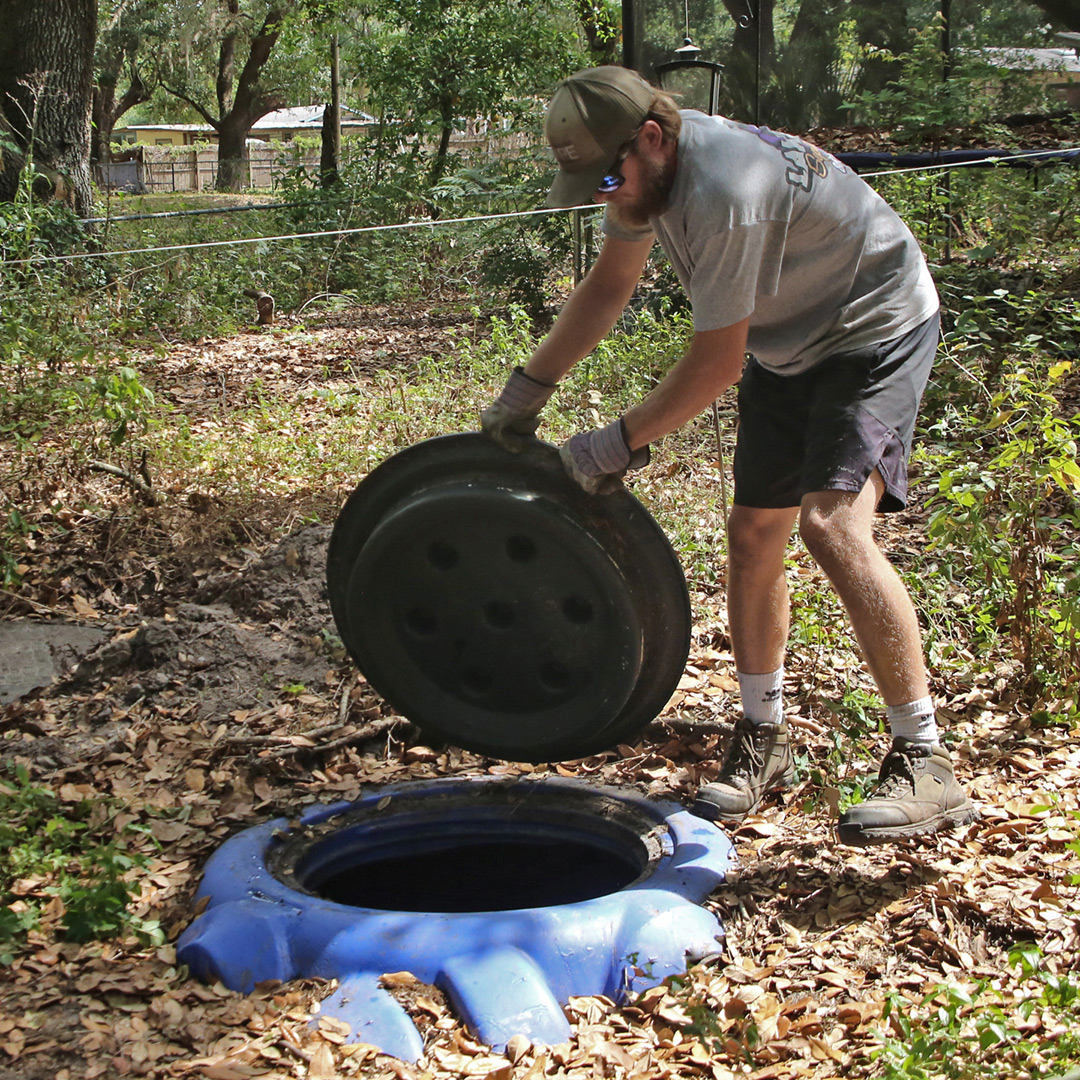
Lakeland Septic Company is the preferred choice for licensed inspections, pumping, and repairs for septic systems in North-Central Florida, serving the Lakeland-Winter Haven area, including Kathleen, Haines City, Winston, and Bartow.
Don’t wait for a sewage backup! If it has been over a year since your last inspection, contact us today to schedule an appointment. We will ensure your septic system is operating efficiently and draining properly.